Replacing your home’s heating system is a massive investment. If you’re like most homeowners, you’re probably stuck on the oldest debate in the HVAC industry: should you install a traditional gas furnace or a modern electric heat pump?
In 2026, this decision is more complicated—and more financially impactful—than ever before. New efficiency standards, rising gas prices, and massive federal tax credits have completely changed the math.
Here is the ultimate breakdown of heat pumps vs. furnaces to help you decide.
How They Work: The Fundamental Difference
Before looking at costs, it helps to understand how these two machines actually heat your home.
The Gas Furnace: A furnace creates heat by burning natural gas or propane inside a burner. The heat exchanger warms the air, and a blower pushes it through your ducts. It is a "combustion" heater.
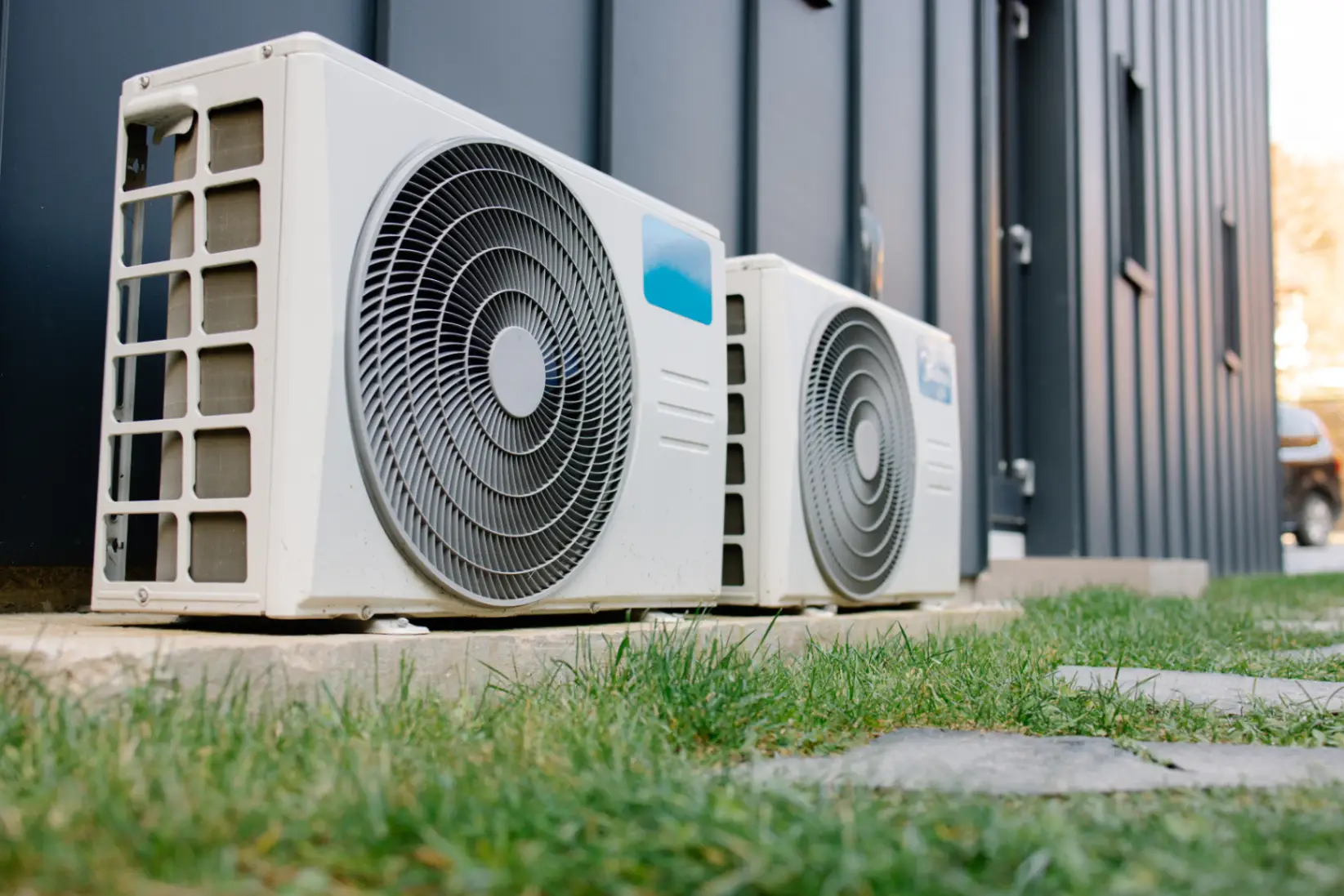
The Heat Pump: A heat pump doesn’t create heat; it moves it. Even in freezing winter weather, there is ambient heat in the outside air. The heat pump extracts this heat, compresses it to make it hotter, and pumps it inside. In the summer, it reverses the process to act as an air conditioner.
Upfront Cost: Furnace vs. Heat Pump
Generally, a standalone gas furnace is cheaper to install than a heat pump. A standard 80,000 BTU gas furnace might cost $3,500 to $5,500 installed.
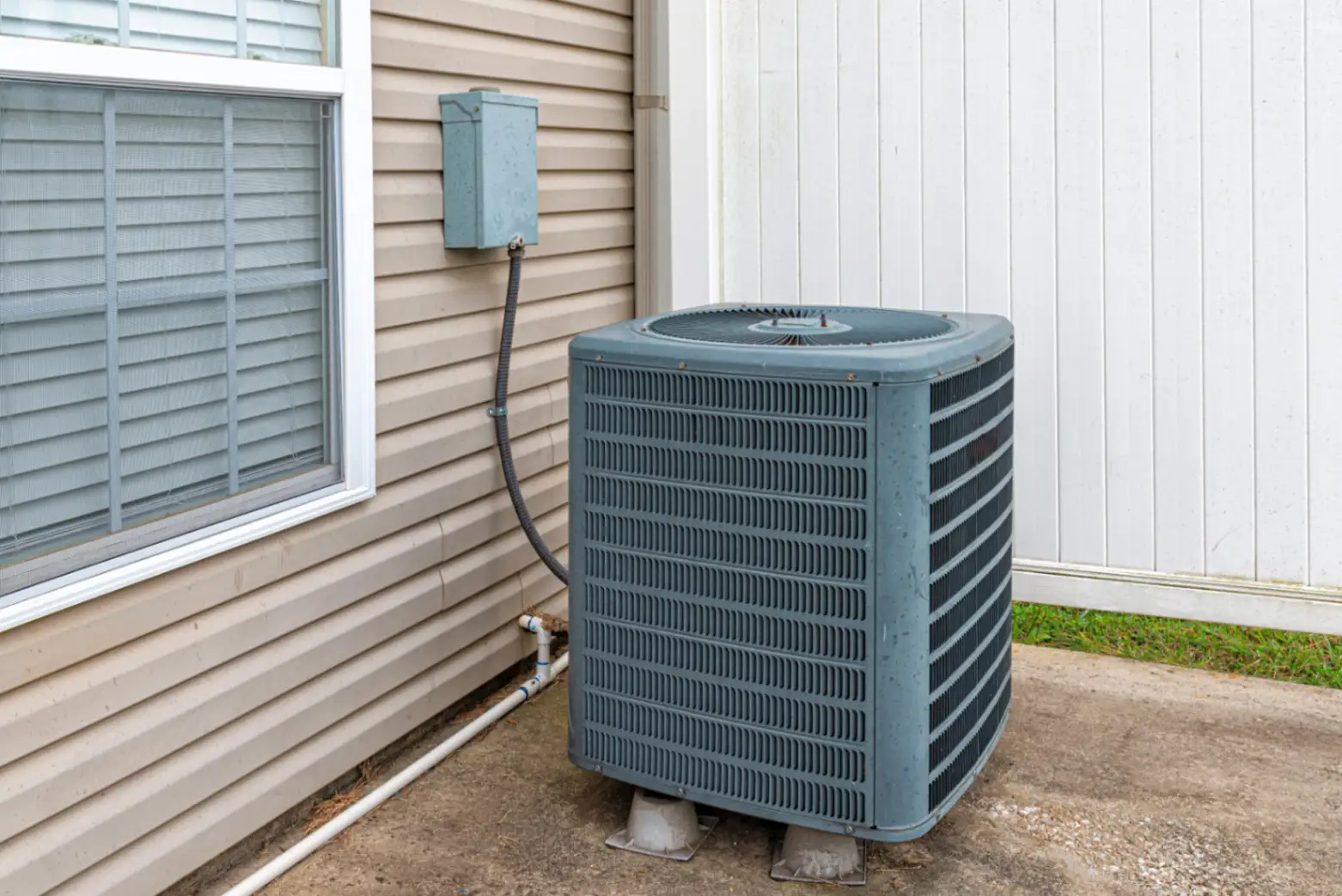
A comparable heat pump system usually ranges from $5,000 to $8,500 installed. This is because a heat pump replaces both your AC and your heater, requiring a more complex outdoor condenser and often electrical panel upgrades.
Pro Tip: Because a heat pump acts as an air conditioner too, you have to compare the cost of a (Furnace + AC) vs. just a (Heat Pump). When you do that, the upfront costs are actually very similar!
Energy Efficiency & Monthly Bills
This is where the heat pump starts to pull ahead.
Furnaces are measured by AFUE (Annual Fuel Utilization Efficiency). A high-efficiency furnace wastes very little gas, achieving 98% AFUE. However, you still have to buy natural gas, which is subject to wild market fluctuations.
Heat pumps are measured by HSPF2 (Heating Seasonal Performance Factor). Because they move heat rather than burn fuel, they can operate at 300% efficiency. For every 1 watt of electricity they use, they produce 3 watts of heat.
If electricity is cheap in your state (like Washington or Tennessee), a heat pump will drastically lower your winter utility bills. If electricity is expensive and gas is cheap (like California or the Northeast), a furnace might still be cheaper to run month-to-month.
The 2026 Tax Credit Game Changer
The Inflation Reduction Act completely disrupted the HVAC market. If you install a high-efficiency heat pump in 2026, you can claim a federal tax credit of up to $2,000.
Furnaces, on the other hand, max out at a $600 tax credit.
When you subtract $2,000 from the upfront cost of a heat pump, it suddenly becomes cheaper to install than a furnace in many parts of the country.
Lifespan and Maintenance
Because a furnace only runs for 5 to 6 months out of the year, it has a longer lifespan. A well-maintained gas furnace will easily last 15 to 20 years, and sometimes up to 30 years.
Because a heat pump runs year-round (heating in the winter, cooling in the summer), it accumulates twice the wear and tear. You can expect a heat pump to last 10 to 15 years before needing a major replacement. Both systems require annual maintenance and filter changes to operate efficiently.
Which Should You Choose?
There is no one-size-fits-all answer, but here is the general rule of thumb for 2026:
Install a Furnace if:
- You live in an extremely cold climate (Midwest/Northeast) where temperatures drop below 10°F for weeks at a time.
- Natural gas is exceptionally cheap in your area.
- You already have a relatively new, functioning central AC unit.
Install a Heat Pump if:
- You live in a mild or warm climate (South, West Coast, Pacific Northwest).
- You need to replace both your AC and your heater at the same time.
- You want to take advantage of the $2,000 federal tax credit.
- You want to transition away from fossil fuels.
Get an Exact Local Estimate
Don't guess what your installation will cost. Labor rates and equipment prices vary wildly depending on your state.
Use our free, locally-adjusted HVAC Cost Calculator to see the exact price for a furnace or heat pump in your zip code. Click below to get your 2026 estimate in seconds!